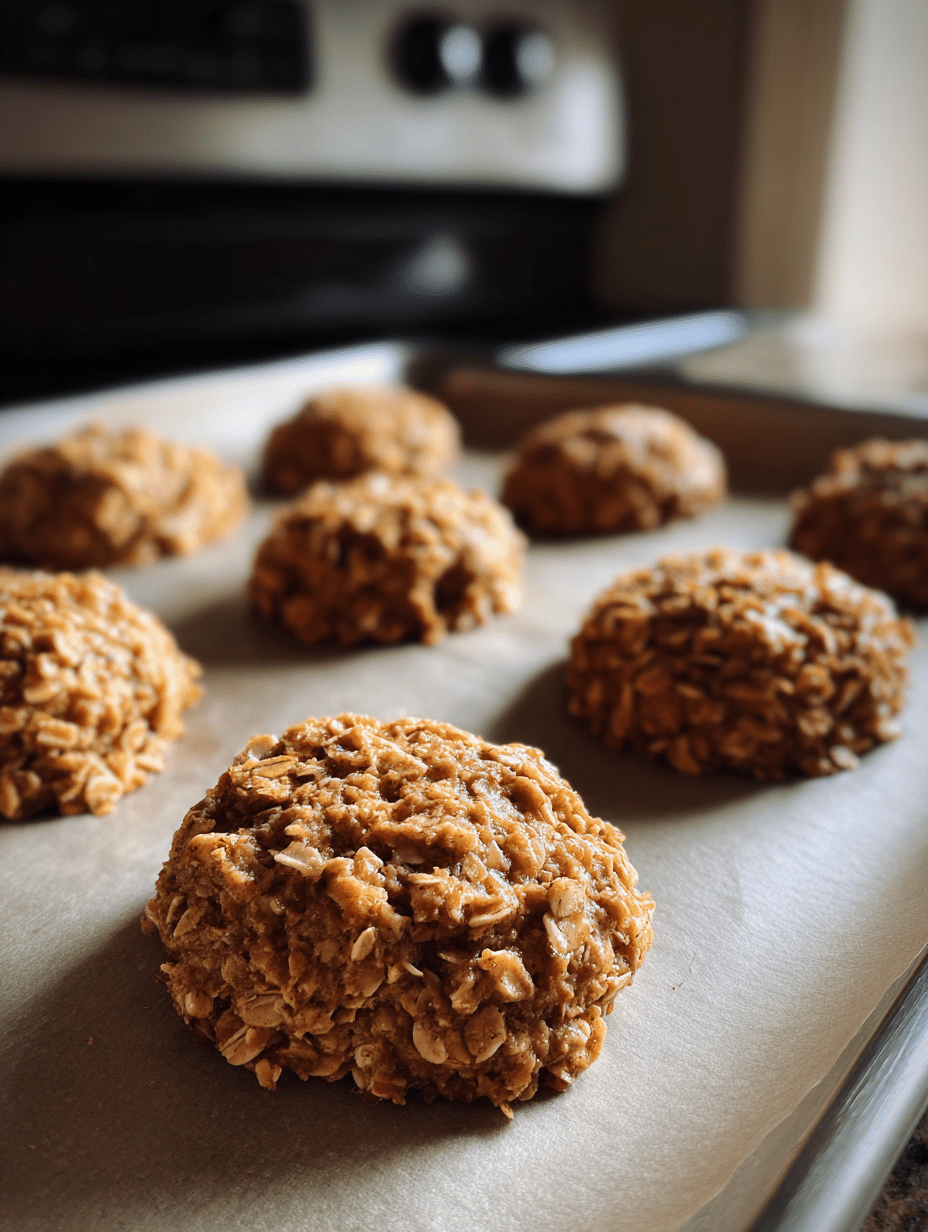
The Art of Personalization: Crafting Your Signature Oatmeal Cookies
There's an undeniable comfort in a classic oatmeal cookie. That perfect balance of chewy oats, warm cinnamon, and sweet brown sugar evokes memories of home and simpler times. It's a universally loved treat, a go-to cookie that satisfies with its wholesome appeal and delicious texture. But what if you could take that beloved classic and make it uniquely yours? What if every batch could reflect your mood, your pantry, or even your dietary needs?
This guide dives deep into the exciting world of customizing your oatmeal cookies. We'll explore a pantry full of delightful mix-ins, smart ingredient substitutions, and expert pro tips to transform a great recipe into your signature masterpiece. Get ready to bake cookies that aren't just delicious, but truly reflective of your culinary creativity.
The Enduring Appeal of Classic Oatmeal Cookies
Before we embark on our customization journey, let's appreciate the foundation: the classic oatmeal cookie. Renowned for its buttery richness, hints of vanilla, and the comforting spice of cinnamon, the ideal classic oatmeal cookie boasts slightly crispy edges and a wonderfully soft, gooey, and chewy center. It's a masterpiece of texture and flavor, often made with simple ingredients you likely already have on hand.
Many cherished family recipes, often passed down through generations, highlight the ease and satisfaction of these cookies. They generally require no chilling, making them a fantastic choice for when a cookie craving strikes without warning. Whether you're a seasoned baker or just starting, the basic framework for Grandma's Classic Oatmeal Cookies provides a sturdy, delicious base perfect for endless experimentation. The secret lies in using quality rolled oats, which contribute significantly to their signature chewiness, alongside the deep, caramel notes of brown sugar.
Elevate Your Batch: Delicious Mix-ins for Oatmeal Cookies
This is where the real fun begins! While a plain oatmeal cookie is fantastic, adding mix-ins allows you to infuse unique flavors and textures. The possibilities are truly endless, transforming your bake into something truly special. Here are some ideas, starting with the classics and branching out:
Classic Mix-in Ideas:
- Chocolate Chips: The ultimate crowd-pleaser. Choose from semi-sweet, milk, dark, or even white chocolate chips for varying degrees of sweetness and intensity. Oatmeal chocolate chip cookies are a perennial favorite for a reason!
- Raisins: The traditional pairing for oatmeal, providing a chewy, sweet burst. Don't limit yourself to dark raisins; golden raisins offer a slightly milder, fruitier flavor. These are the stars of classic oatmeal raisin cookies.
- Cranberries: Dried cranberries introduce a delightful tartness that beautifully complements the sweet cookie base. Perfect for a festive touch or simply to brighten the flavor profile.
- Butterscotch Chips: For a rich, buttery caramel note that adds a unique twist to your oatmeal cookies.
- Cinnamon Chips: Doubling down on the warm spice, cinnamon chips intensify the cozy flavor, especially delicious during colder months.
Beyond the Basics: Creative Mix-in Options:
- Nuts: Toasted pecans, walnuts, or chopped almonds add a wonderful crunch and nutty depth. They pair exceptionally well with chocolate or dried fruits.
- Shredded Coconut: For a tropical hint and chewy texture. Lightly toast it beforehand for an even deeper flavor.
- Toffee Bits: Introduce a delightful crunch and buttery, caramel flavor.
- Pretzels: Crush them lightly and add for an unexpected salty-sweet crunch that's incredibly addictive.
- Dried Cherries or Apricots: For different fruity notes and textures, offering a gourmet touch.
- Candy Pieces: Small chunks of your favorite candy bars can make for a playful and indulgent cookie.
Pro Tip for Mix-ins: Don't overload the dough! A general rule of thumb is about 1 to 1.5 cups of total mix-ins per standard batch of cookies to ensure they bake evenly and maintain their structure.
Masterful Substitutions: Adapting Your Oatmeal Cookie Recipe
Understanding how to substitute ingredients can be a game-changer, allowing you to tailor your oatmeal cookies to dietary needs, ingredient availability, or simply to experiment with different flavor profiles. Here’s how you can adapt the core recipe:
Butter Variations:
- Unsalted Butter: The standard for most baking, giving you control over the salt content. If using salted butter, reduce the added salt in the recipe by half.
- Coconut Oil: A fantastic plant-based alternative for vegan options. It imparts a subtle coconut flavor and generally yields a slightly crispier cookie. Ensure it's in a solid state if the recipe calls for creaming butter.
- Brown Butter: For a sophisticated twist, try browning your butter. This process toasts the milk solids, creating a rich, nutty, caramel-like flavor that elevates the entire cookie. Remember to cool it slightly before creaming with sugar.
Flour Alternatives:
- Gluten-Free Flour Blend: To make your oatmeal cookies gluten-free, opt for a good quality 1:1 gluten-free all-purpose flour blend (one that contains xanthan gum is ideal). Crucially, ensure you're also using certified gluten-free oats. The texture might be slightly different, but still delicious.
Oat Choices:
- Old-Fashioned Rolled Oats: These are ideal for the classic chewy texture. They hold their shape well and provide that distinct oatmeal character.
- Quick Oats: While they work, quick oats will result in a less chewy, slightly softer cookie as they are more processed and absorb liquid faster. Avoid instant oats, as they often turn mushy.
Sweetener Swaps:
- Light Brown Sugar: Provides moisture and a delicate molasses flavor.
- Dark Brown Sugar: Using dark brown sugar instead of light will impart a bolder, richer molasses taste and generally results in a chewier, moister cookie due to its higher molasses content.
- Granulated Sugar (White Sugar/Organic Cane Sugar): Essential for texture, contributing to those crispy edges and overall sweetness. Using a high-quality organic cane sugar can enhance the flavor subtly.
Salt Adjustments:
- Fine Sea Salt: Preferred for its clean taste. If substituting with iodized table salt, decrease the amount by half, as it's finer and can taste saltier. Salt is crucial for balancing sweetness and enhancing all the other flavors.
Experimenting with these substitutions allows you to truly dial in the flavor and texture of your oatmeal cookies, making them uniquely yours. Remember, each change can subtly alter the final product, so note your favorites!
Pro Tips for Perfect Oatmeal Cookies Every Time
Beyond ingredients, technique plays a vital role in achieving baking perfection. Here are some expert tips to ensure your oatmeal cookies are consistently outstanding:
Mastering the Mixing Process:
- Cream Butter and Sugars Thoroughly: This is a crucial step! Beat the butter and sugars together on medium speed for at least 1-2 minutes until the mixture is visibly light and fluffy. This incorporates air, which contributes to the cookies' texture. Scrape down the sides of the bowl frequently.
- Don't Skimp on Beating Time: After adding the egg and vanilla extract, beat for another full minute. This emulsifies the mixture and builds structure. Setting a timer can help ensure you beat for the correct duration.
- Avoid Overmixing Dry Ingredients: Once you add the flour, baking soda, baking powder, and cinnamon, mix only until just combined. Overmixing develops gluten, which can lead to tough cookies.
- Even Distribution: Add the oats and any desired mix-ins last, beating just until they are evenly distributed throughout the dough.
Baking and Cooling:
- Prepare Your Baking Sheets: Always line your cookie sheets with parchment paper or silicone baking mats. This prevents sticking and ensures even baking, leading to easier cleanup.
- Don't Overbake: Oatmeal cookies are often best when slightly underbaked in the center. They will continue to set as they cool. Look for golden-brown edges but still a soft, slightly puffy center. Overbaking leads to dry, hard cookies.
- Cooling Protocol: Allow the cookies to cool on the baking sheet for 5-10 minutes before transferring them to a wire rack to cool completely. This prevents them from breaking and allows them to firm up properly.
Dough Management & Storage:
- Chilling the Dough (Optional but Recommended): While many recipes, including some great oatmeal cookie recipes, don't require chilling, a brief chill (30 minutes to an hour) can deepen flavors and result in a thicker, chewier cookie that spreads less. If you want to bake later, store the dough in an airtight container in the fridge for up to 3 days, or freeze for longer.
- Scoop Consistently: Use a cookie scoop to ensure all your cookies are the same size. This guarantees uniform baking.
Ingredient Quality:
- Fresh Ingredients Matter: Ensure your baking soda and baking powder are fresh (check expiration dates!) as their leavening power diminishes over time, directly impacting your cookies' rise and texture.
Conclusion
From the cherished simplicity of a classic oatmeal cookie to a bold, customized creation, the journey of baking these delightful treats is one of continuous discovery. By understanding the impact of various mix-ins, mastering intelligent substitutions, and applying crucial baking techniques, you unlock a world of possibilities. Don't be afraid to experiment! Whether you're making chewy oatmeal chocolate chip cookies, tart cranberry-pecan oatmeal delights, or a purely gluten-free version, the power to customize is in your hands. Embrace the creativity, have fun in the kitchen, and enjoy the delicious reward of your very own signature oatmeal cookies.
